
What It Takes for Girls to Stay in School in Dadaab
Our work with girls, schools, and communities in one of the world’s most complex settings.
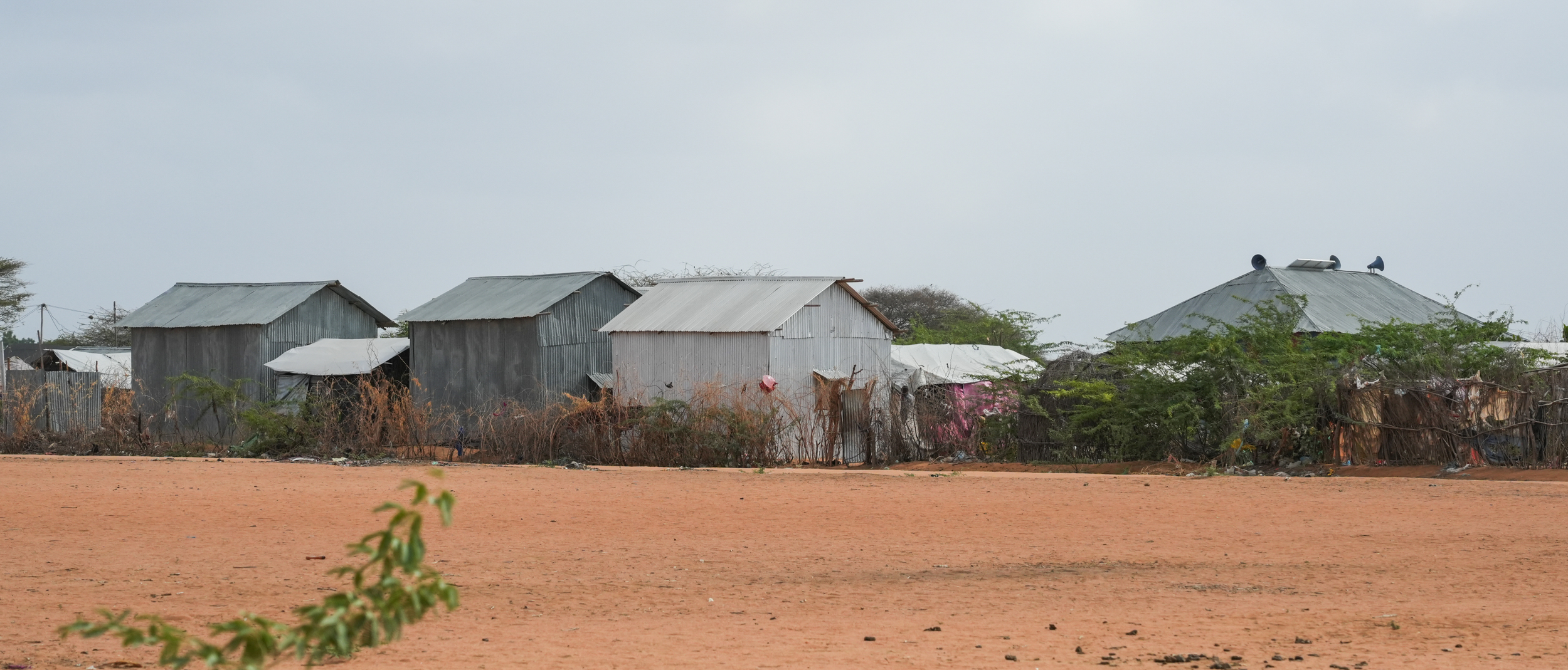
Dadaab is often described as a refugee camp.
But it is more than that.
It is a long-standing community where hundreds of thousands of people live, work, and raise their families. There are schools, small businesses, and markets. Life here is not temporary. People are building something, even in the face of real constraints.
Across Dadaab, there is a growing focus on livelihoods, entrepreneurship, and what a future can look like, especially for young people.
What is less visible is how early that future begins.
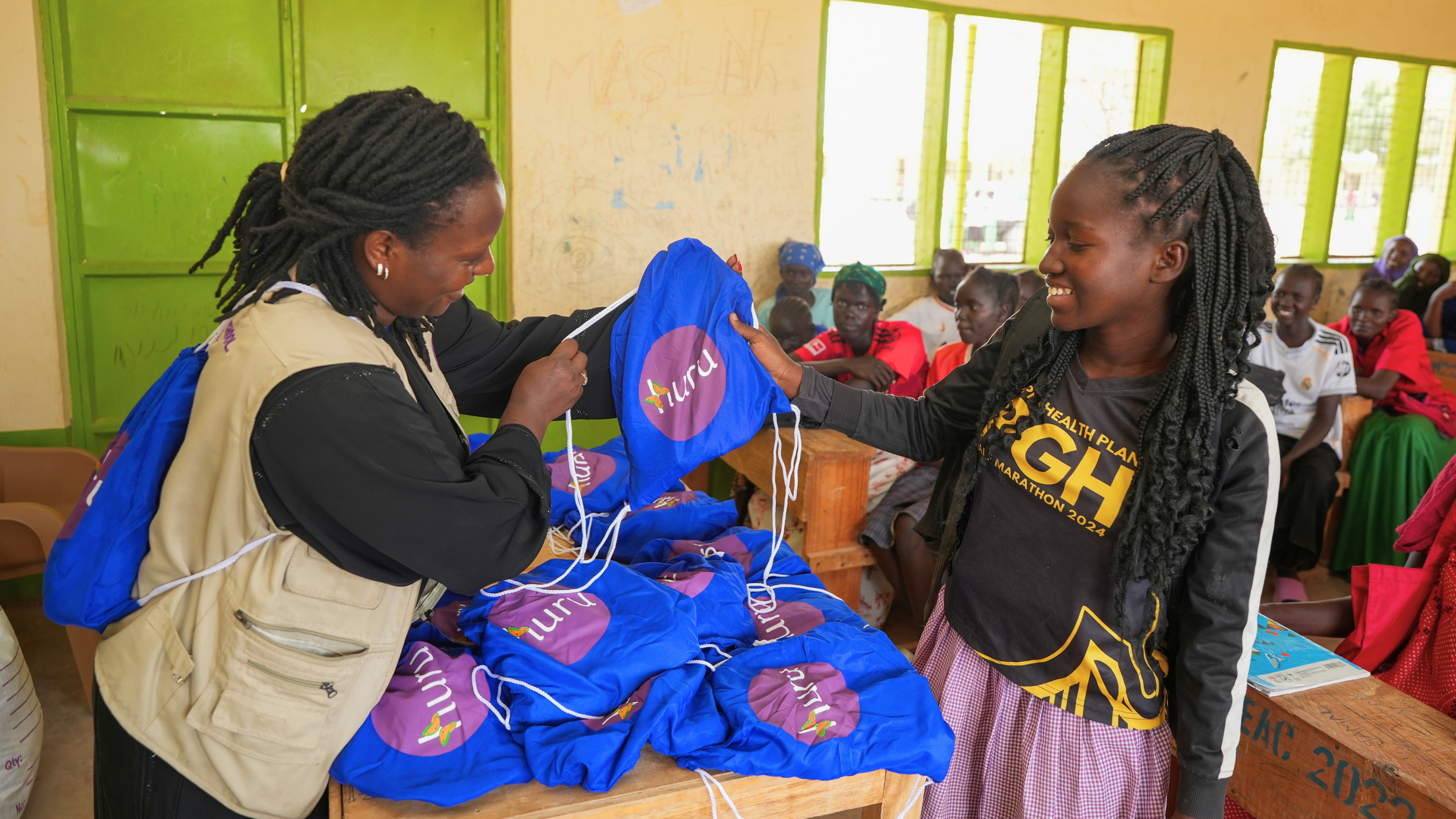
We started working there last summer, partnering with schools to provide Huru Kits and menstrual health education so girls could stay in class. Since then, we have reached over 4,500 students across 30 schools in four camps, training 90 teachers to lead ongoing menstrual health education as part of school life.
Our team has returned several times — most recently last month — to distribute more kits, retrain school health workers, and understand what is truly working inside classrooms.
When the team came back, I asked one question: What did you see that tells you this is working?
The first answer wasn't statistics. It was anticipation.
In several schools, girls had been asking whether Huru would return. At one school, students camped for three days during the school break waiting for Huru Kits. Parents approached teachers asking that their daughters be included. Teachers asked how we could expand to reach more students.
In Dadaab, word travels quickly. When something works, families notice. And when families notice, demand grows.
This level of anticipation is not just about need. It reflects how quickly practical solutions are recognized, trusted, and shared across communities.
What We Saw Inside Classrooms
School health workers and teachers were ready when our team arrived. Prepared, engaged, asking thoughtful questions. Even male participants openly joined conversations about menstruation.
Huru is no longer treated as an outside program. It is becoming part of school life.
Before we began working in Dadaab, many girls relied on pieces of cloth or cotton wool. Some left school midday out of fear of staining their clothes. Others stayed home entirely during their cycle.
Now, girls who received Huru Kits report staying in school the whole day — participating in sports, concentrating without distraction. Teachers confirm what the girls describe. Attendance is improving. In some schools, enrollment of girls has increased.
When girls are able to stay in school, they are more likely to continue forward — into secondary school, into training, and into whatever opportunities come next.
Do Our Reusable Pads Work Here?
What clearly stood out: there were no complaints about the Huru pads. The only complaints were from girls who had not yet received them.
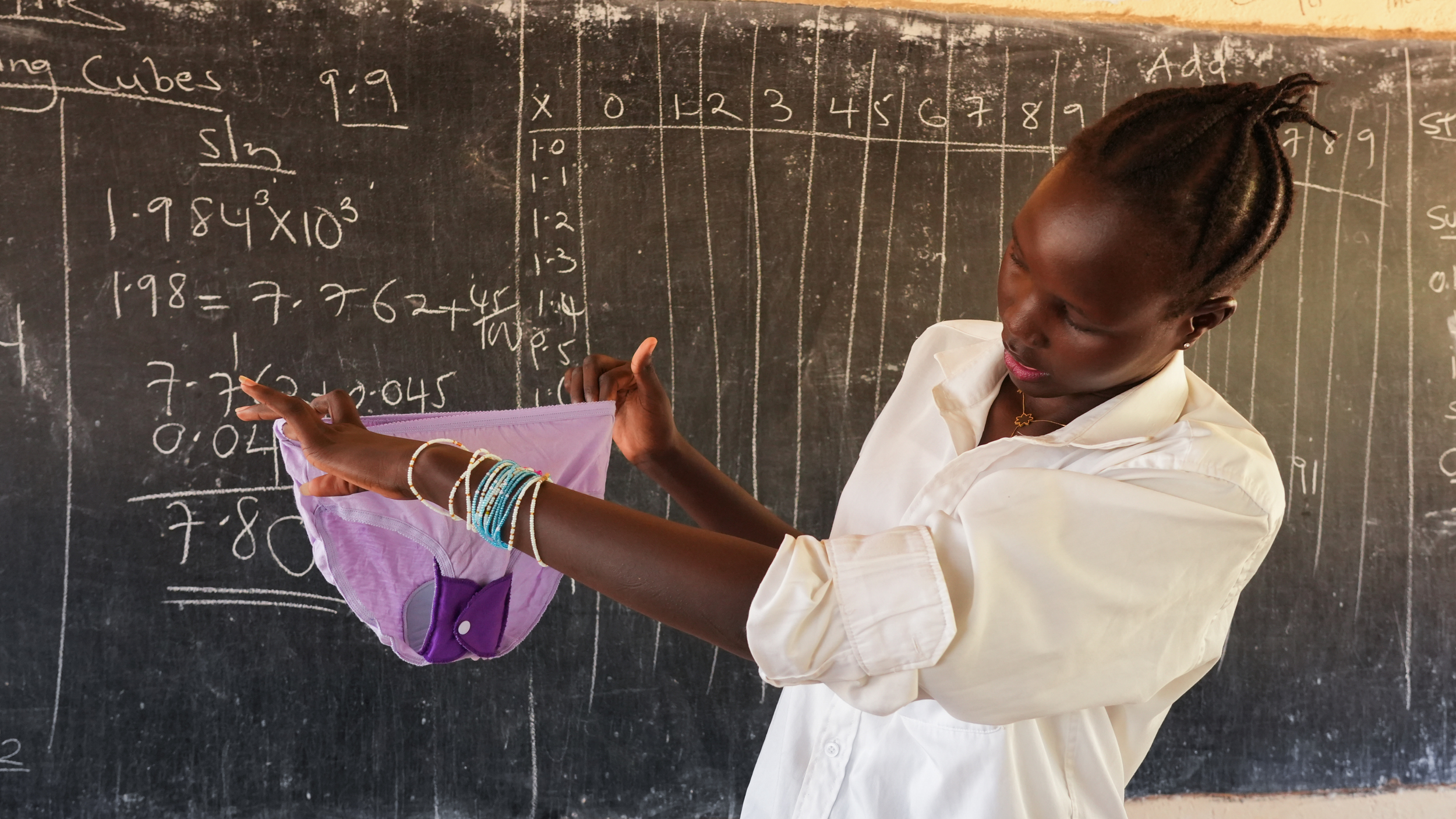
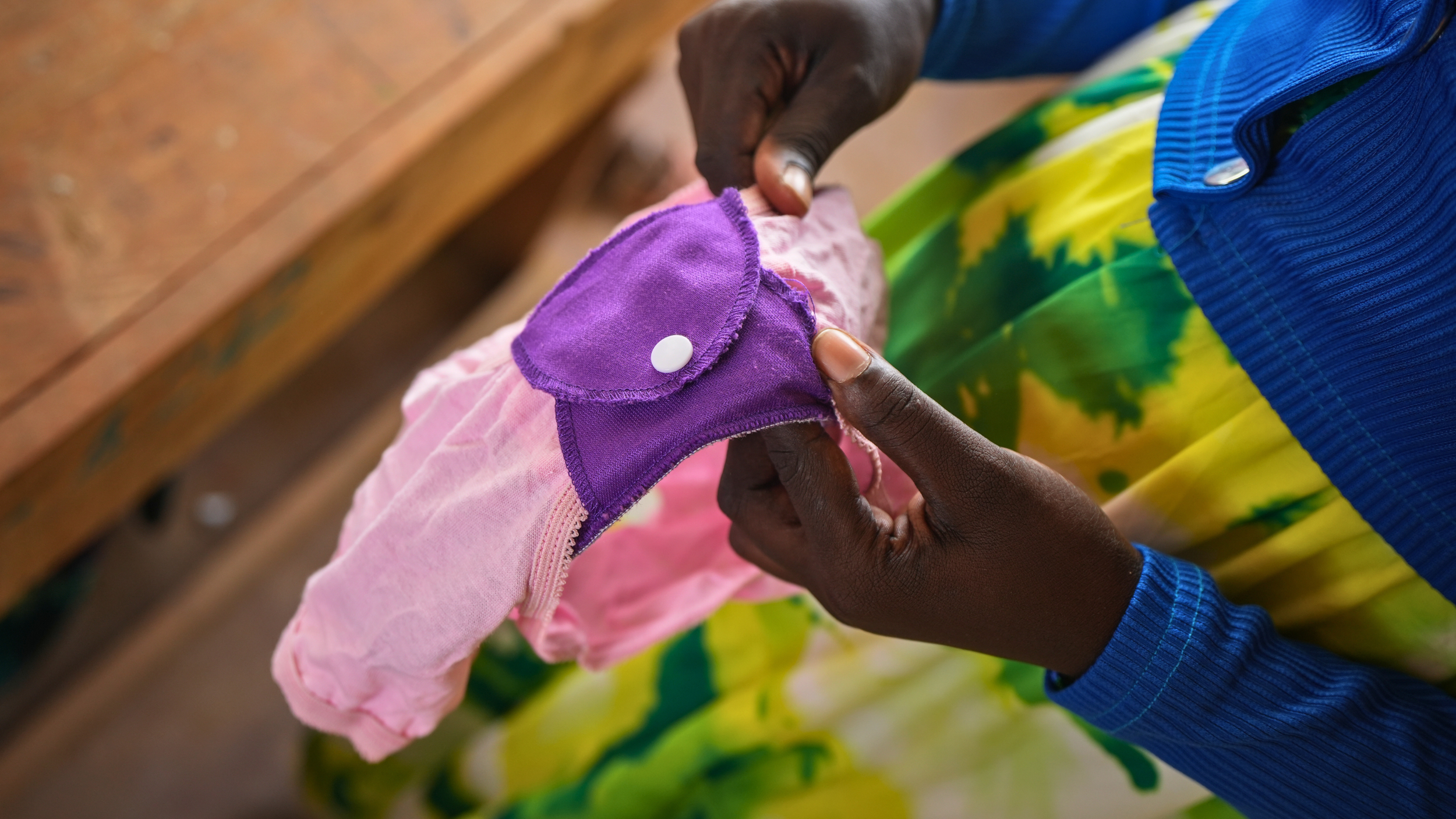
In Dadaab, trust in outside products is not automatic. Menstrual products, especially disposable ones, are often refused. But our reusable pads were quickly accepted. They are simple, durable, and comfortable. Demand is growing across schools and communities.
The solution works here.
What We're Still Working On And Why We're Not Stopping
There are harder truths, too.
When a Huru Kit arrives in a household with several adolescent girls, it is often split up. A mother may divide pads among her daughters. When each girl keeps only one or two pads, the kit’s impact is reduced.
One school counselor told us plainly: if this support stopped, girls would begin missing school again.
The progress we are seeing is real, but it is not yet complete.
And yet what our team described was not fragility. It was ownership. School health workers creating their own teaching materials. Male leaders speaking openly about topics once considered off-limits. Boys participating respectfully. Girls recognizing and greeting our staff from earlier visits.
This is what it looks like when trust begins to take hold.
We Are No Longer Asking Whether This Works. We know it does.
The pads are being used. The education is being delivered. Attendance is improving. Stigma is easing.
In early 2026 alone, we have expanded our reach to an additional 7,440 students across 27 more schools and the momentum is only growing.
In a place where people are working hard to build livelihoods and shape their futures, continuity matters. It is not just about staying in school. It is about making sure girls are part of what comes next.